
Personal Safety While Living More Independently: How HDE Home Care Can Help
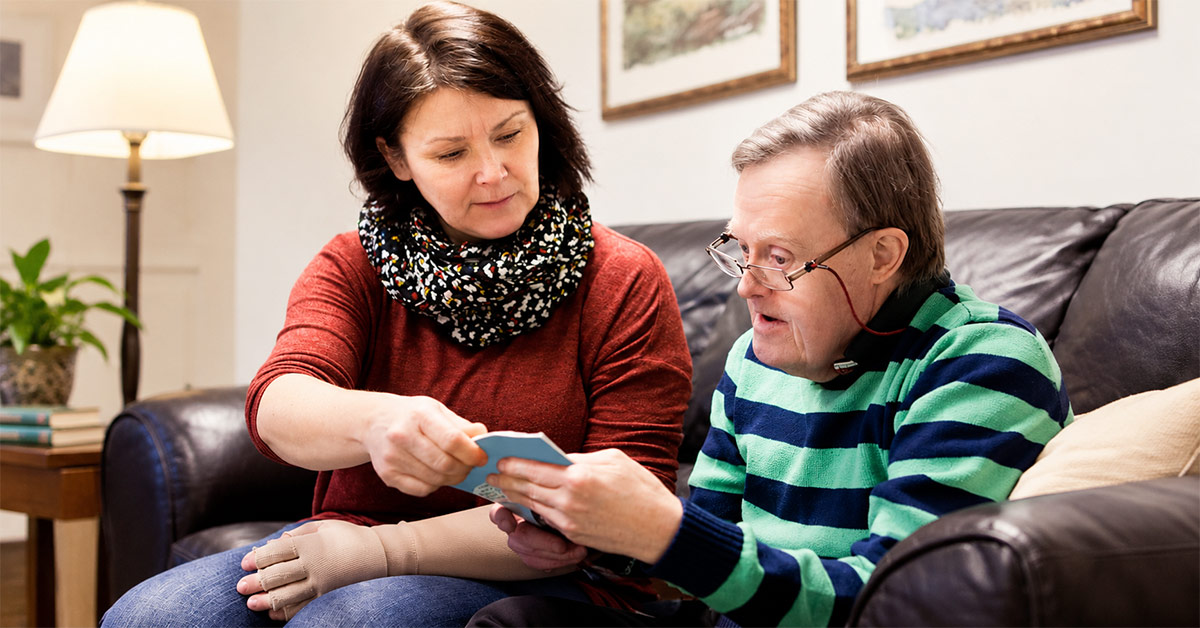
Living more independently is an exciting and important step for many adults with intellectual and developmental disabilities (I/DD). Independence can mean making more of your own choices, learning new skills, participating in the community, managing daily responsibilities, or having greater control over your own life.
With greater independence also comes the opportunity to learn how to recognize potential risks and make choices that support personal safety.
At HDE Home Care, we believe safety and independence go hand in hand. Our goal is not to prevent people from doing things because there may be risks. Instead, we work alongside individuals to help them develop the skills, confidence, and support they need to navigate everyday life as independently as possible.
What Does Personal Safety Look Like?
Personal safety can mean different things to different people. It may include knowing what to do in an emergency, understanding personal boundaries, safely navigating the community, or knowing who to contact when help is needed.
Some important areas of personal safety include:
Knowing Who You Can Trust
Learning how to identify trusted people is an important part of independence. Individuals can work with their support team to identify people they feel comfortable turning to when they need help.
This may include family members, friends, caregivers, neighbors, coworkers, or other trusted professionals.
It is also important to understand that being friendly does not mean someone automatically has permission to enter your home, touch your belongings, or ask for personal information.
Understanding Personal Boundaries
Everyone has the right to personal space, privacy, and boundaries.
Learning how to say “no,” “stop,” or “I don’t feel comfortable with that” can be an important part of staying safe. Individuals should also understand that they have the right to respect other people’s boundaries.
HDE Home Care supports individuals in developing healthy relationships and understanding what respectful interactions look like.
Staying Safe in the Community
Being part of the community is an important part of independence. Whether someone is going to work, visiting a store, using public transportation, meeting friends, or participating in an activity, there are opportunities to practice safety skills.
These may include:
- Knowing where you are going and how to get there
- Recognizing safe places to ask for help
- Knowing important phone numbers
- Understanding basic traffic and pedestrian safety
- Staying aware of your surroundings
- Knowing what to do if you become lost or separated from your support person
- Practicing how to respond to unexpected situations
The goal is not to discourage community involvement. It is to help individuals feel more confident participating in the places and activities they enjoy.
Safety at Home
Home should be a place where individuals feel comfortable, secure, and in control.
Depending on a person’s needs, safety skills at home might include learning how to safely use kitchen appliances, understanding household hazards, knowing what to do if there is a fire, keeping doors and windows secure, and knowing when and how to call for help.
Support can be gradually adjusted as an individual’s skills and confidence grow.
Online Safety Matters, Too
Today, personal safety extends beyond our homes and communities.
Social media, texting, online shopping, gaming, and other technology can be valuable tools for staying connected and independent. However, they also create opportunities for scams, manipulation, and unwanted contact.
Individuals can benefit from learning how to:
- Protect passwords and personal information
- Recognize suspicious messages and scams
- Be careful about sharing their location
- Understand that people online may not always be who they claim to be
- Know when to block or report someone
- Talk to a trusted person when something online feels uncomfortable
Learning these skills can help individuals enjoy the benefits of technology while making informed choices.
Independence Doesn’t Mean Doing Everything Alone
One of the most important things to understand about independence is that asking for help does not make someone less independent.
Everyone needs support sometimes.
At HDE Home Care, our role is to provide individualized support based on each person’s goals, abilities, preferences, and needs. A person may need more assistance with certain activities and less with others. As skills develop, support can be adjusted accordingly.
For example, someone may initially need help learning a bus route but eventually be able to take that route independently. Another person may be comfortable shopping independently but want support when learning how to manage money or recognize potential scams.
There is no one definition of independence.
Supporting the Dignity of Risk
Living independently means having opportunities to make choices—and sometimes, choices involve reasonable risks.
At HDE Home Care, we believe individuals should have opportunities to experience life, make decisions, learn from experiences, and develop greater independence while receiving appropriate support.
Rather than automatically saying “no” because something could go wrong, we can ask:
“How can we make this safer while still allowing the person to do it?”
That approach allows individuals to build skills instead of having opportunities taken away from them.
How HDE Home Care Supports Personal Safety
Every individual has different goals and needs. HDE Home Care works with people to provide person-centered support that respects their choices while helping them develop practical skills for everyday life.
Support may include:
- Practicing community safety skills
- Developing emergency plans
- Supporting transportation and community participation
- Practicing household safety
- Encouraging healthy boundaries and relationships
- Building confidence with everyday responsibilities
- Identifying trusted support systems
- Reinforcing safe decision-making
- Supporting individuals as they work toward their personal goals
Most importantly, support should grow and change with the individual.
The goal isn’t to make someone dependent on support. The goal is to help them build the skills and confidence to have as much control over their life as possible.
Independence, Confidence, and Choice
Personal safety is not about living in fear or avoiding the world. It is about having the knowledge and confidence to participate in it.
With the right support, adults with I/DD can learn new skills, make their own choices, build meaningful relationships, work toward their goals, and become more independent in their everyday lives.
At HDE Home Care, we are proud to walk alongside the individuals we support as they work toward greater independence—while making sure their safety, dignity, choices, and goals remain at the center of their care.
Because independence isn’t about doing everything alone. It’s about having the opportunity, support, and confidence to live life on your own terms.