
Friendships & Social Connections for Adults with I/DD
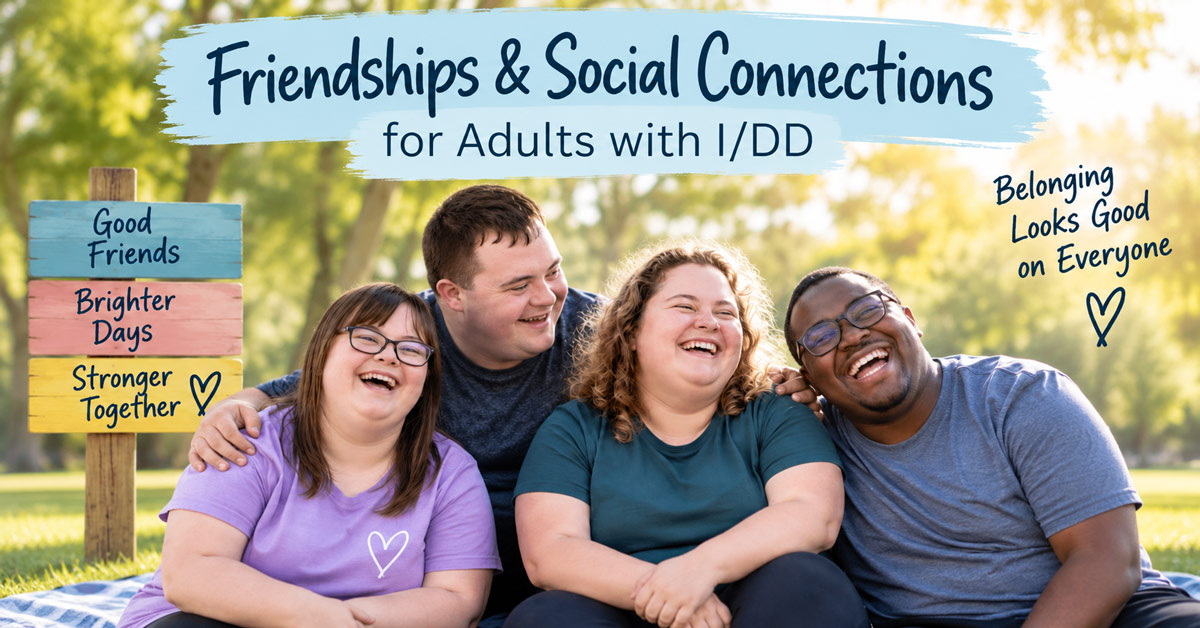
Friendship is an important part of life. Having people to laugh with, share experiences with, talk to, and simply spend time with can create a sense of belonging and make everyday life more fulfilling.
For adults with intellectual and developmental disabilities (I/DD), meaningful friendships and social connections are just as important. However, opportunities to build those relationships don’t always happen naturally. Transportation challenges, communication differences, limited community opportunities, or relying on others for support can sometimes make it harder to meet new people and maintain friendships.
At HDE Home Care, we believe support should be about more than helping someone get through their day. It should also help people build the life they want, including opportunities to connect with others, participate in their community, and develop meaningful relationships.
Why Social Connections Matter
Friendships can have a powerful impact on a person’s quality of life. Social connections can provide companionship, emotional support, confidence, a greater sense of independence, and opportunities to try new things.
Sometimes something as simple as having someone to grab lunch with, attend an event with, share a hobby with, or text about a favorite TV show can make a big difference.
And friendships don’t have to look a certain way to be meaningful. Some people enjoy large groups and busy social calendars, while others prefer one or two close friends and quieter activities. What matters is that each person has the opportunity to choose the types of relationships and social experiences that feel right for them.
Creating Opportunities for Connection
Building friendships often starts with having opportunities to meet people who share similar interests.
That could mean participating in a local recreation program, joining a class, volunteering, attending community events, participating in Special Olympics, joining a club, going to the gym, attending a faith community, or simply becoming a regular at a favorite coffee shop or neighborhood activity.
The goal isn’t to fill someone’s calendar with activities. It’s to help create opportunities for genuine connection.
When someone enjoys what they’re doing, friendships have a better chance of developing naturally.
Supporting Friendships Without Taking Over
For families, caregivers, and support professionals, there can be a fine line between helping someone socially and managing their social life for them.
Adults with I/DD should have as much choice as possible about who they spend time with, what they do together, and how their relationships develop.
Support might include helping with transportation, practicing communication skills, finding activities based on someone’s interests, helping make plans, or providing assistance when navigating a difficult social situation.
But whenever possible, the individual should remain in the driver’s seat.
Friendships belong to the people in them.
Technology Can Help People Stay Connected
Social connection doesn’t always have to happen face-to-face.
Texting, video calls, social media, online gaming, and other technology can help adults with I/DD maintain friendships and connect with people who share their interests.
At the same time, online relationships can come with risks. Learning about privacy, scams, boundaries, appropriate communication, and online safety can help people enjoy these connections while protecting themselves.
The goal shouldn’t automatically be to restrict technology. It should be to provide the tools and education needed to use it safely and confidently.
How HDE Home Care Can Help
At HDE Home Care, person-centered support means recognizing that a meaningful life includes more than completing daily tasks.
Our support can help individuals explore their interests, participate in their communities, build confidence, practice social skills, attend activities and events, and maintain important relationships.
Sometimes support means helping someone try something completely new. Other times, it may simply mean making it possible for someone to spend time with a friend.
Those moments matter.
Connection Is Part of a Meaningful Life
Everyone deserves the opportunity to feel included, valued, and connected.
For adults with I/DD, strong social connections can grow from everyday experiences: sharing a meal, attending a community event, discovering a common interest, volunteering together, celebrating a birthday, or simply having someone to call when you want to talk.
At HDE Home Care, we believe in supporting the whole person. That includes independence, choice, community participation, and the relationships that make life richer.
Because sometimes the best kind of support isn’t about doing something for someone.
It’s about helping create opportunities for them to build a life and relationships that are truly their own.