

The Importance of Friendships for Adults with I/DD
Friendships help adults with intellectual and developmental disabilities (I/DD) build confidence, reduce loneliness, and experience a greater sense of belonging. Discover how meaningful relationships, community involvement, and individualized support can encourage independence, strengthen social skills, and create opportunities for connection. Learn how HDE Home Care supports adults with I/DD in building friendships and living more fulfilling lives.

Personal Safety While Living More Independently: How HDE Home Care Can Help
Living more independently is an important step for adults with intellectual and developmental disabilities. At HDE Home Care, safety and independence go hand in hand. We help people build skills for boundaries, community and home safety, and online safety while supporting the dignity of risk. Independence is not doing everything alone. It is having the confidence to live life on your own terms.

Friendships & Social Connections for Adults with I/DD
Meaningful friendships and social connections are an important part of a fulfilling life for adults with I/DD. Learn how families, caregivers, and support professionals can create opportunities for genuine connection while respecting individual choice, independence, interests, and the right to build relationships that are truly their own.

Dignity of Risk: Why Making Choices Includes the Right to Make Mistakes
Dignity of risk recognizes that adults with intellectual and developmental disabilities deserve the freedom to make choices, take reasonable risks, and sometimes make mistakes. Learn how person-centered support can balance safety with independence while helping individuals with I/DD build confidence, develop skills, and have a meaningful voice in their own lives.

5 Ways to Improve Quality of Life for Adults with IDD
Improving quality of life for adults with IDD goes beyond providing daily care. Independence, personal choice, meaningful relationships, community participation, and overall well-being all play an important role. Discover five practical ways families and caregivers can help adults with IDD live more fulfilling, connected, and independent lives.

Staying Safe During Oregon’s Wildfire Season: Tips for Individuals with Intellectual and Developmental Disabilities
Oregon’s wildfire season brings more than smoky skies—it can create serious health risks for individuals with Intellectual and Developmental Disabilities (I/DD). Learn practical steps caregivers, family members, and Direct Support Professionals can take to stay safe during periods of poor air quality and extreme heat, from planning ahead to recognizing warning signs and responding quickly.
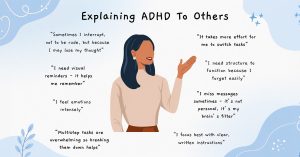
How Can I Explain My Adult ADHD to People I Know?
Explaining adult ADHD to family, friends, coworkers, or caregivers can help build understanding and reduce common misconceptions. Learn simple ways to describe how ADHD affects attention, organization, emotions, and daily life, while sharing your unique strengths and support needs. Open communication can lead to stronger relationships and greater empathy.

Maintaining Quality of Life as Adults With Intellectual and Developmental Disabilities Age
As adults with intellectual and developmental disabilities grow older, maintaining independence, health, and meaningful relationships becomes increasingly important. Discover practical ways families and caregivers can support aging with dignity through physical activity, preventive healthcare, community involvement, and personalized care that promotes confidence, purpose, and quality of life.

Building a Daily Routine That Boosts Independence for Adults with I/DD
A consistent daily routine helps adults with intellectual and developmental disabilities (I/DD) build confidence, develop life skills, and achieve greater independence. Learn how structure, healthy habits, meaningful activities, and personalized support create opportunities for growth while empowering individuals to make choices, strengthen relationships, and live more fulfilling, independent lives.

Nip a Predator’s Scheme in the Bud — Stop Your Aging Parent From Becoming Prey
Financial scams targeting seniors are on the rise, and older adults lose billions of dollars each year to fraud. From fake emergency calls and romance scams to Medicare and tech support schemes, predators know how to exploit trust and loneliness. Learn the warning signs, discover practical ways to protect your loved one, and see how HDE Home Care helps families keep seniors safe.