

Your Aging Parent Living at a Distance May Be at Risk
Many families worry about aging parents who live far away, but distance can make it difficult to recognize when help is needed. Learn the warning signs of declining health, household neglect, isolation, and safety concerns. Discover practical steps you can take to stay connected, build a local support network, and help your loved one remain safe, independent, and supported at home.

The Hidden Danger of Aspiration Pneumonia in People with IDD
Aspiration pneumonia is a quiet but serious risk for individuals with IDD, often caused by food or liquids entering the lungs during swallowing. Subtle symptoms can make it hard to detect early. With proper positioning, diet, supervision, and trained care, this preventable condition can be managed—protecting health, safety, and quality of life.
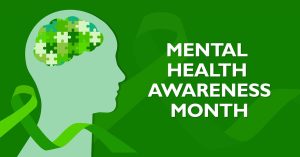
Mental Health Awareness Month: Why It Matters and How HDE Home Care Can Help
Mental Health Awareness Month: Why It Matters and How HDE Home Care Can Help
May is Mental Health Awareness Month—a vital reminder that mental well-being is as important as physical health for seniors and individuals with intellectual and developmental disabilities (IDD) in Portland. At HDE Home Care, our compassionate in-home caregivers provide more than daily assistance. Through meaningful companionship, consistent routines, and personalized care plans, we help reduce isolation, ease anxiety, and support emotional wellness so clients can thrive safely at home.

The Cost of Love: Caring for Adults with Intellectual or Developmental Disabilities
Caring for an adult with intellectual or developmental disabilities (IDD) is an act of profound love—but it carries real costs: emotional exhaustion, physical fatigue, and financial strain. Families often feel overwhelmed, guilty for needing respite, and worried about the future. At HDE Home Care, we lighten that load with personalized attendant care, professional behavior support, community access, and skilled caregivers who treat your loved one with dignity. You don’t have to carry it alone. Serving Portland, Beaverton, Salem & Bend—call today for a free consultation. (503) 686-9079.

Prioritizing Mental Health: How Support at Home Makes All the Difference
Mental health often takes a backseat for older adults and those managing chronic conditions. Between appointments, medications, and daily stresses, emotional well-being can easily be overlooked. At HDE Home Care, we believe mental and physical health are deeply connected. Our caregivers provide meaningful companionship, reduce daily stress through reliable support, encourage independence, and create safe, calm environments. These small but consistent acts help combat loneliness, anxiety, and depression—ultimately improving overall quality of life and preserving independence.

Strategies for Managing Anxiety in Individuals with Intellectual Disabilities
Anxiety in individuals with IDD can appear in subtle but challenging ways—but with the right strategies, it can be managed effectively. From building predictable routines and using clear communication to supporting sensory needs and teaching calming techniques, caregivers can create a more stable, reassuring environment where individuals feel safe, understood, and confident.

The Benefits of Seniors Staying in Their Own Home vs. Assisted Living
More seniors are choosing to age in place—and for good reason. Staying at home offers independence, comfort, and stronger emotional well-being. With personalized, one-on-one care, seniors can maintain their routines and stay connected to family and community. HDE Home Care makes it possible to age safely at home while preserving dignity, happiness, and quality of life.

Preparing Children with IDD for School: Tips for a Successful Start
Preparing a child with intellectual and developmental disabilities (IDD) for school can feel overwhelming for families. With thoughtful preparation, supportive routines, and strong communication with teachers, children with IDD can begin their school journey with confidence. These practical tips help families build independence, ease transitions, and create a positive start to the classroom experience.

Supporting Your Adult Child With IDD Without Burning Out
Caring for an adult child with intellectual or developmental disabilities (IDD) is an act of deep love, but it can also lead to quiet exhaustion. Many parents carry every responsibility alone until burnout begins to creep in. The truth is, strong caregiving requires support. With the right help, families can protect their energy, strengthen relationships, and create a healthier, more balanced life for everyone.

What Does IDD Mean And How the Right Support Changes Everything
What does IDD mean — and why does it matter? IDD stands for Intellectual and Developmental Disabilities, a broad term describing conditions that affect learning, behavior, and development. But IDD doesn’t define a person. With the right support, individuals can build independence, confidence, and meaningful lives. Discover how personalized, compassionate care changes everything.