
The Hidden Danger of Aspiration Pneumonia in People with IDD
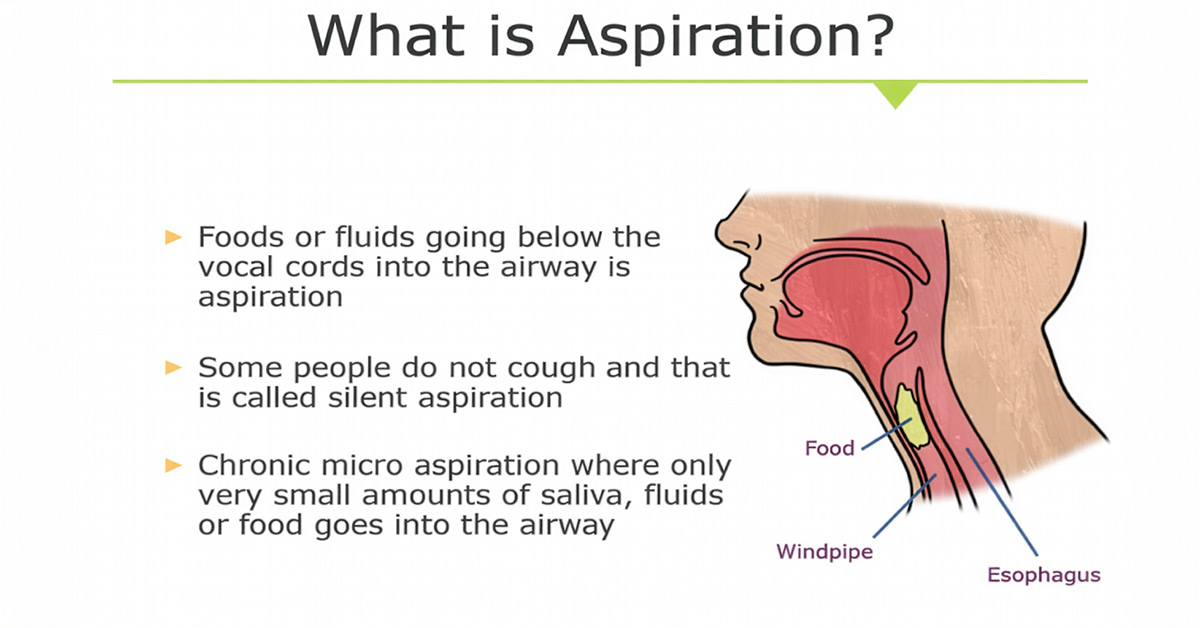
When we think about pneumonia, we often picture a seasonal illness or something that develops after a cold or flu. But there’s another form, quiet, often overlooked, and potentially life-threatening called Aspiration Pneumonia. For individuals with intellectual and developmental disabilities (IDD), the risk is significantly higher, making awareness and prevention incredibly important.
What Is Aspiration Pneumonia?
Aspiration pneumonia occurs when food, liquid, saliva, or even stomach contents are accidentally inhaled into the lungs instead of being swallowed properly. This can introduce bacteria into the lungs, leading to infection.
While anyone can experience this, people with IDD are more vulnerable due to a range of factors that can affect swallowing and airway protection.
Why People with IDD Are at Higher Risk
Individuals with IDD may face challenges that increase the likelihood of aspiration, including:
- Difficulty with swallowing (often referred to as Dysphagia)
- Limited mobility or poor posture during meals
- Neurological conditions that affect muscle control
- Gastroesophageal reflux (GERD)
- Use of certain medications that cause drowsiness or reduce alertness
These factors can make it easier for food or liquids to “go down the wrong way” without immediate, obvious signs.
Signs to Watch For
Aspiration pneumonia doesn’t always present suddenly. Symptoms can be subtle at first and may include:
- Coughing or choking during or after eating
- Wet or gurgly voice after swallowing
- Shortness of breath
- Fever or chills
- Chest discomfort
- Increased fatigue or confusion
Because some individuals with IDD may have difficulty communicating discomfort, caregivers must stay especially observant of changes in behavior or health.
Prevention Is Key
The good news is that aspiration pneumonia is often preventable with the right care and attention. A few important strategies include:
Proper Positioning
Ensuring individuals are sitting upright during meals and for at least 30 minutes afterward can greatly reduce risk.
Modified Diets
Some individuals may require softer foods or thickened liquids to make swallowing safer.
Pacing and Supervision
Encouraging slow eating, small bites, and attentive supervision during meals can help prevent choking or aspiration.
Swallowing Assessments
Speech or occupational therapists can evaluate swallowing ability and recommend personalized strategies.
Oral Care
Good oral hygiene reduces bacteria in the mouth, lowering the risk if aspiration does occur.
How HDE Home Care Can Help
At HDE Home Care, caregivers are trained to recognize the risks and early warning signs of aspiration pneumonia—especially in individuals with IDD.
Support includes:
- Safe meal preparation and feeding assistance
- Monitoring for swallowing difficulties
- Encouraging proper positioning and pacing
- Communication with families and healthcare providers
- Providing consistent, attentive care tailored to each individual
Why Awareness Matters
Aspiration pneumonia can develop quietly but progress quickly. With increased awareness, proper training, and compassionate care, many cases can be prevented before they become serious.
For individuals with IDD, safety during something as routine as eating should never be taken for granted. It’s not just about nutrition—it’s about protecting health, dignity, and quality of life.