
The Importance of Friendships for Adults with I/DD
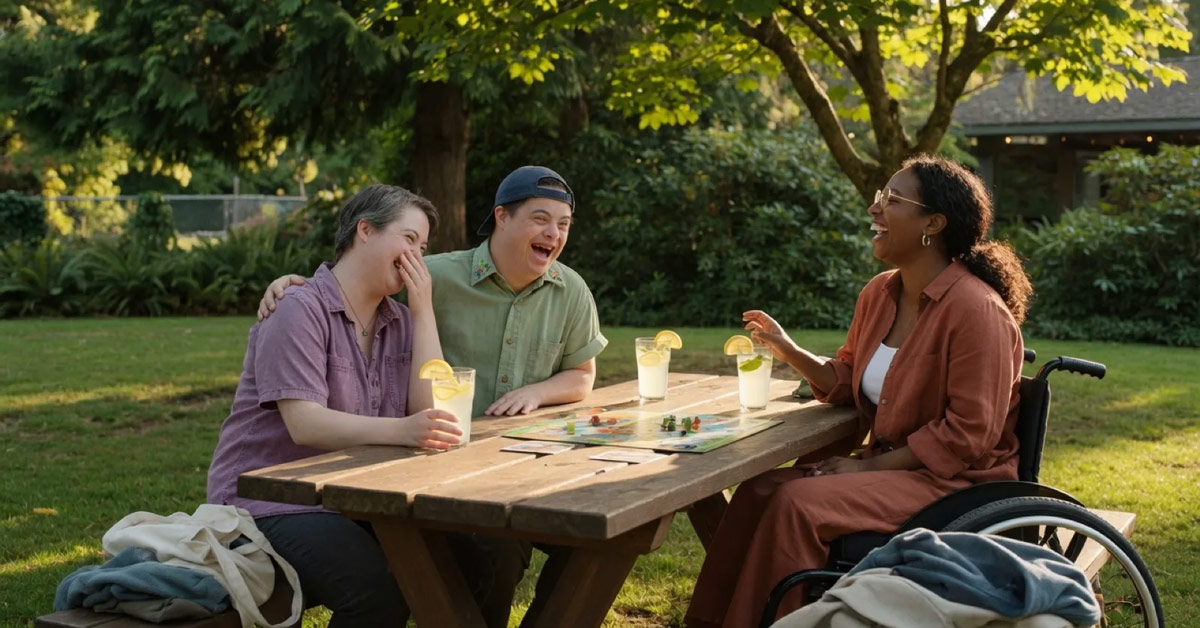
Building meaningful connections, encouraging inclusion, and creating a sense of belonging
Friendship is an important part of life. Having someone to laugh with, share experiences with, and turn to for support can make a meaningful difference in a person’s happiness and overall well-being. For adults with intellectual and developmental disabilities (I/DD), friendships are just as important and can play a significant role in building confidence, independence, and a sense of belonging.
Everyone deserves the opportunity to develop meaningful relationships, pursue their interests, and feel connected to their community.
Why Friendships Matter
Friendships offer much more than companionship. They provide opportunities for personal growth, emotional support, and shared experiences.
Emotional Well-Being: Having friends can help reduce feelings of loneliness and isolation. Meaningful relationships give people opportunities to share their feelings, celebrate accomplishments, and feel supported.
Building Confidence: Friendships encourage people to express themselves, share their opinions, and develop confidence in social situations. Over time, these experiences can help individuals feel more comfortable meeting new people and trying new activities.
Developing Social Skills: Spending time with others provides natural opportunities to practice communication, listening, cooperation, and problem-solving. These skills can grow through everyday experiences, such as having a conversation, playing a game, or participating in a group activity.
Creating a Sense of Belonging: Everyone wants to feel included and valued. Friendships help people develop connections with others who share their interests and experiences, strengthening their sense of belonging within their community.
Finding Opportunities to Build Friendships
Making friends can sometimes feel challenging, especially when opportunities for social interaction are limited. Finding welcoming environments where people can connect over shared interests can make a difference.
Community events, recreational activities, volunteer opportunities, classes, and local clubs can all provide ways to meet new people. Whether someone enjoys music, sports, art, cooking, animals, or simply spending time outdoors, there are many opportunities to build connections around the things they enjoy.
Friendships take time to develop, and every person has different social preferences. Some people enjoy large group activities, while others prefer one-on-one conversations or smaller gatherings. Respecting these preferences helps create more comfortable and meaningful experiences.
It is also important to remember that friendship cannot be forced. The goal is to create opportunities for genuine connections while allowing each person to decide whom they want to spend time with and how they want to participate.
How HDE Home Care Supports Friendships and Community Connections
At HDE Home Care, supporting adults with I/DD means recognizing the whole person, including their interests, goals, preferences, and relationships. Quality support goes beyond helping with everyday tasks. It also means creating opportunities for individuals to participate in their communities and build meaningful connections.
Depending on each person’s goals and support needs, HDE Home Care can help individuals:
- Explore personal interests: Identify activities, hobbies, and community programs that match their interests.
- Participate in community activities: Access opportunities to attend events, visit local parks, take classes, and enjoy recreational activities.
- Build confidence in social situations: Practice communication and social skills in everyday settings while receiving encouragement when needed.
- Develop independence: Work toward personal goals and make choices about how to spend their time and whom they would like to get to know.
- Strengthen meaningful relationships: Receive support in maintaining connections with friends, family, and other important people in their lives.
Support should always be individualized. Some people may benefit from help finding activities and meeting new people, while others may need assistance with transportation, communication, or feeling comfortable in unfamiliar environments. The focus is on providing the right support while respecting each person’s independence, privacy, and choices.
Friendship, Independence, and Self-Determination
One of the most important parts of supporting adults with I/DD is recognizing that they have the right to make their own choices, including choices about friendships and relationships.
Families, caregivers, and Direct Support Professionals can encourage social opportunities without deciding who someone should be friends with. They can offer guidance, help individuals recognize healthy relationships and personal boundaries, and support them in communicating their needs and preferences.
When individuals are given the opportunity to make choices, explore interests, and develop relationships at their own pace, they can build confidence and experience greater control over their lives.
Friendships also remind us that people are more than their support needs or disabilities. Every person has unique interests, talents, personality traits, and experiences that contribute to who they are.
Everyone Deserves to Feel Connected
Friendships enrich our lives in countless ways. They create opportunities for laughter, learning, shared memories, and mutual support. For adults with I/DD, meaningful relationships can be an important part of living a fulfilling and connected life.
At HDE Home Care, we believe that every individual deserves to be respected, included, and supported in pursuing a life that reflects their own goals and interests. By encouraging community participation, supporting personal choices, and helping individuals explore opportunities for connection, we can help create more possibilities for meaningful relationships.
Because everyone deserves friendship, inclusion, and a place where they belong.