
Staying Safe During Oregon’s Wildfire Season: Tips for Individuals with Intellectual and Developmental Disabilities
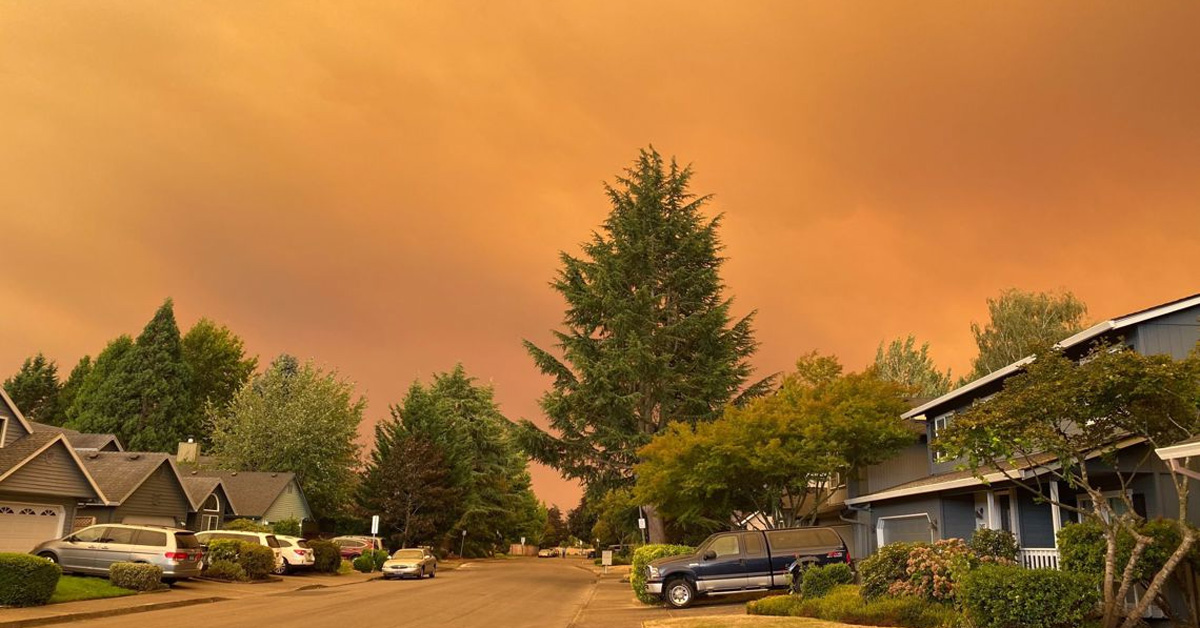
Summer in Oregon brings beautiful sunshine, outdoor activities, and community events, but it also brings wildfire season. This year, hot temperatures and smoky conditions have returned to many parts of the state, with air quality advisories affecting communities across Oregon, including the Portland metro area.
For individuals with Intellectual and Developmental Disabilities (I/DD), extreme heat and wildfire smoke can create additional challenges. Caregivers, family members, and Direct Support Professionals (DSPs) can help by planning ahead and taking a few simple precautions.
Why Wildfire Smoke Is Dangerous
Wildfire smoke contains tiny particles that can travel deep into the lungs. Even if you can’t smell smoke, the air may still be unhealthy. Poor air quality can cause:
- Coughing or sore throat
- Trouble breathing
- Burning or watery eyes
- Headaches
- Fatigue or dizziness
- Worsening of asthma or other respiratory conditions
Some people with I/DD may have difficulty recognizing or communicating these symptoms, making it even more important for caregivers to monitor their health.
Stay Cool During Hot Weather
Heat can become dangerous very quickly. To reduce the risk of heat-related illness:
- Drink plenty of water throughout the day.
- Wear lightweight, light-colored clothing.
- Stay indoors during the hottest part of the day, usually between 2:00 p.m. and 6:00 p.m.
- Use air conditioning or spend time in a cooling center if your home becomes too warm.
- Never leave anyone in a parked vehicle.
- Protect Yourself from Smoke
When smoke levels are high:
Stay indoors with doors and windows closed whenever possible.
Run an air conditioner on recirculate or use a HEPA air purifier if available.
Avoid strenuous outdoor activities.
If you must go outside for an extended period, consider wearing a properly fitted N95 respirator if it can be worn safely and comfortably.
Check local air quality before making outdoor plans.
Plan Ahead
Preparation helps reduce stress during wildfire season.
Keep medications stocked and easily accessible.
Have emergency contact information readily available.
Prepare a small emergency kit with water, snacks, medications, chargers, and important documents.
Know your evacuation route if you live in an area prone to wildfires.
Stay informed by monitoring local weather forecasts and wildfire updates.
How Caregivers and DSPs Can Help
Support professionals play an important role in keeping individuals safe by:
Explaining weather conditions using simple, reassuring language.
Watching for signs of overheating or breathing problems.
Encouraging hydration and regular breaks indoors.
Adjusting community outings when air quality is poor.
Helping individuals stay calm if routines need to change due to smoke or extreme heat.
We’re Here to Support You
At HDE Home Care, the health and safety of the people we support is always our top priority. Wildfire season can be unpredictable, but with preparation and awareness, we can continue to enjoy summer safely.
Remember: If you or someone you support experiences severe difficulty breathing, chest pain, confusion, or signs of heat stroke, seek emergency medical attention immediately.
Stay safe, stay hydrated, and take extra care during Oregon’s wildfire season.